
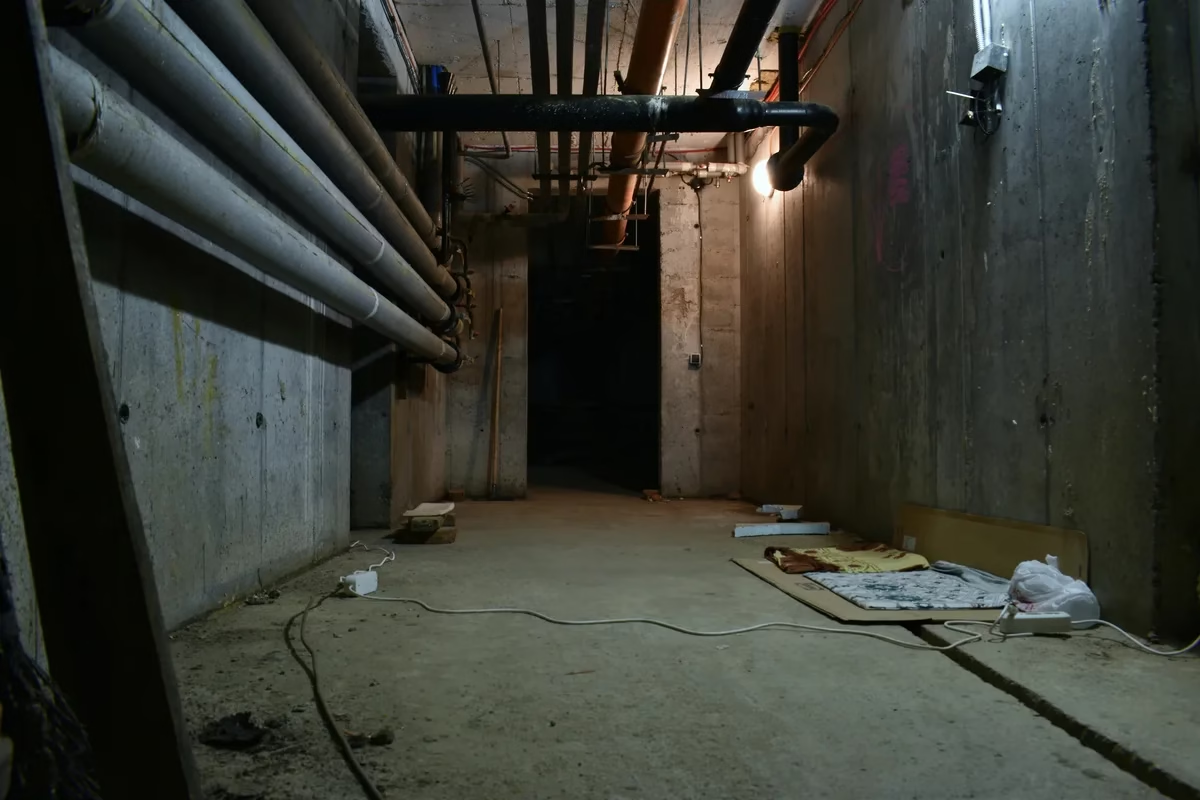
Why Basement Flooding Is a Serious Risk for Canadian Homeowners
Basement flooding is not a rare event in Canada — it's a recurring reality for millions of homeowners from British Columbia to Nova Scotia. Spring snowmelt saturates the ground before it can drain, freeze-thaw cycles crack foundations and weaken drainage systems, and increasingly intense summer rainstorms overwhelm municipal infrastructure in communities across the country. The Canada Mortgage and Housing Corporation (CMHC) recognizes basement flooding as one of the most damaging and costly problems a homeowner can face, and notes that flooding can arrive from multiple directions: surface water running in through windows or doors, sewer backup pushing up through floor drains, and groundwater seeping through the foundation or floor slab.
Understanding that reality is the starting point for building a real prevention strategy — one where a sump pump plays a central, but not solitary, role.
How a Sump Pump Actually Works
A sump pump is installed in a pit — called a sump basin — dug at the lowest point of your basement or crawl space. As groundwater accumulates around your foundation, it drains into this pit by gravity. When the water level rises to a set threshold, a float switch activates the pump, which then pushes the water through a discharge pipe away from your home — typically to a municipal storm drain, a dry well, or a graded area of your yard at a safe distance from the foundation.
Most residential sump pumps are either pedestal pumps (with the motor sitting above the pit) or submersible pumps (with the motor sealed inside the basin). Submersible models tend to be quieter and better suited for continuous use, making them the more common choice for Canadian homes with significant groundwater pressure.
The Full Basement Flood-Prevention Ecosystem
CMHC is explicit on this point: no single measure guarantees complete protection against basement flooding. A sump pump is a critical layer, but it works best as part of a broader system. Here is what a well-rounded prevention plan looks like:
- Proper grading: The ground around your foundation should slope away from the house at least 5–10 cm over the first 1.5–2 metres to prevent surface water from pooling against your walls.
- Functional eavestroughs and downspouts: Clean gutters and downspouts that discharge water at least 1.5–2 metres from the foundation are one of the simplest and most effective defences.
- Window well covers and sealed openings: Basement window wells can collect water rapidly during a storm. Covers and proper drainage within the well reduce that risk significantly.
- Backwater valve: A backwater (or backflow) valve on your main sewer line prevents sewage from backing up into your basement during heavy rain events when municipal systems are overwhelmed. Many municipalities across Canada offer rebates toward the cost of installation — check with your local government.
- Sump pump with battery backup: The sump pump itself, supported by a reliable backup system (see below).
- Foundation waterproofing: Interior or exterior waterproofing membranes and drainage tile systems address chronic groundwater infiltration at the source.
Why a Backup Sump Pump Is Non-Negotiable
Here is an uncomfortable truth: the storms most likely to flood your basement are the same storms most likely to knock out your power. A primary sump pump that runs on household electricity goes silent the moment power fails — exactly when you need it most. Home safety experts strongly recommend installing either a battery backup sump pump or a water-powered backup pump to maintain protection during outages.
- Battery backup systems use a deep-cycle marine or AGM battery to power a secondary pump if the primary fails or loses power. Most systems provide several hours of pumping capacity — enough to get through many outages — and alert you via alarm when the backup activates.
- Water-powered backup pumps use municipal water pressure to operate, requiring no electricity or battery. They work as long as your water supply is functioning, though they do consume a significant volume of municipal water while running.
Either option is a worthwhile investment compared to the cost and stress of a flooded basement.
Sump Pump Maintenance: A Seasonal Checklist
A sump pump that hasn't been tested or serviced can fail silently. Build these habits into your home maintenance routine:
- Test monthly (or before storm season): Pour a bucket of water into the pit and confirm the float switch activates and the pump discharges properly.
- Inspect the discharge line: Check that the pipe is clear of debris, ice (in winter), and that the exterior outlet is not blocked or frozen shut.
- Check the inlet screen: Clean any debris from the pump's inlet to prevent clogging.
- Test the backup system: Disconnect the primary pump and simulate an activation to confirm your backup is operational.
- Check battery charge: If you have a battery backup, verify the charge level and replace the battery every three to five years or per manufacturer guidance.
- Schedule professional inspection: Consider having a licensed plumber or drainage specialist inspect your system every few years, especially if your home has a history of water infiltration.
Codes, Permits, and Professional Installation
The National Building Code of Canada establishes baseline requirements for drainage and waterproofing in below-grade spaces, but specific rules vary by province and municipality. In many jurisdictions, sump pump installation, backwater valve installation, or significant waterproofing work may require a permit and must be completed or inspected by a licensed professional. Always check with your local building department before undertaking major drainage work.
When in doubt, connecting with a licensed plumber or certified waterproofing specialist is the safest path — they can assess your home's specific drainage challenges, recommend the right system, and ensure the work meets local code requirements.
Ready to Take Action? Find a Local Pro
Basement waterproofing and sump pump installation are not weekend DIY projects for most homeowners. The stakes — structural damage, mould, and costly remediation — are simply too high. Use our HouseTalk Daily Contractor Directory to find vetted, local basement waterproofing and plumbing professionals in your area who can assess your home and recommend the right solution for your specific risk profile.